Surgical &
Extractions.
Professional, calm, and pain-free surgical procedures, including extractions, implant placements, and advanced periodontal care in the Helderberg.
A Calm Approach to Surgical Care.
Dental anxiety is real and very common. Surgical procedures in particular tend to cause a lot of worry about pain, sounds, and sensations. Our priority is to ensure you feel comfortable, informed, and completely anaesthetised before we begin.
Whether it is removing a problematic tooth, placing a dental implant, or treating severe gum disease, Dr. Piet Slabber takes the time to explain what needs to be done. We do not rush procedures where patience makes a real difference to your comfort.
Why Choose Dr. Slabber for Surgery.
Precision, comfort, and advanced technology for a safer procedure.
Advanced Imaging
We use advanced imaging techniques to map your jawbone and root structures with high precision. This ensures careful and safe surgical planning, especially for implant placement and complex extractions.
Patient-Paced Care
Nobody rushes you here. If you need a moment during a procedure, you get a moment. We want you to feel as calm as possible and ensure the local anaesthetic has fully taken effect.
Predictable Healing
Our surgical protocols emphasize minimal trauma to the surrounding tissues, which leads to significantly faster healing times, less post-operative swelling, and more predictable recovery.
Tooth
Extractions.
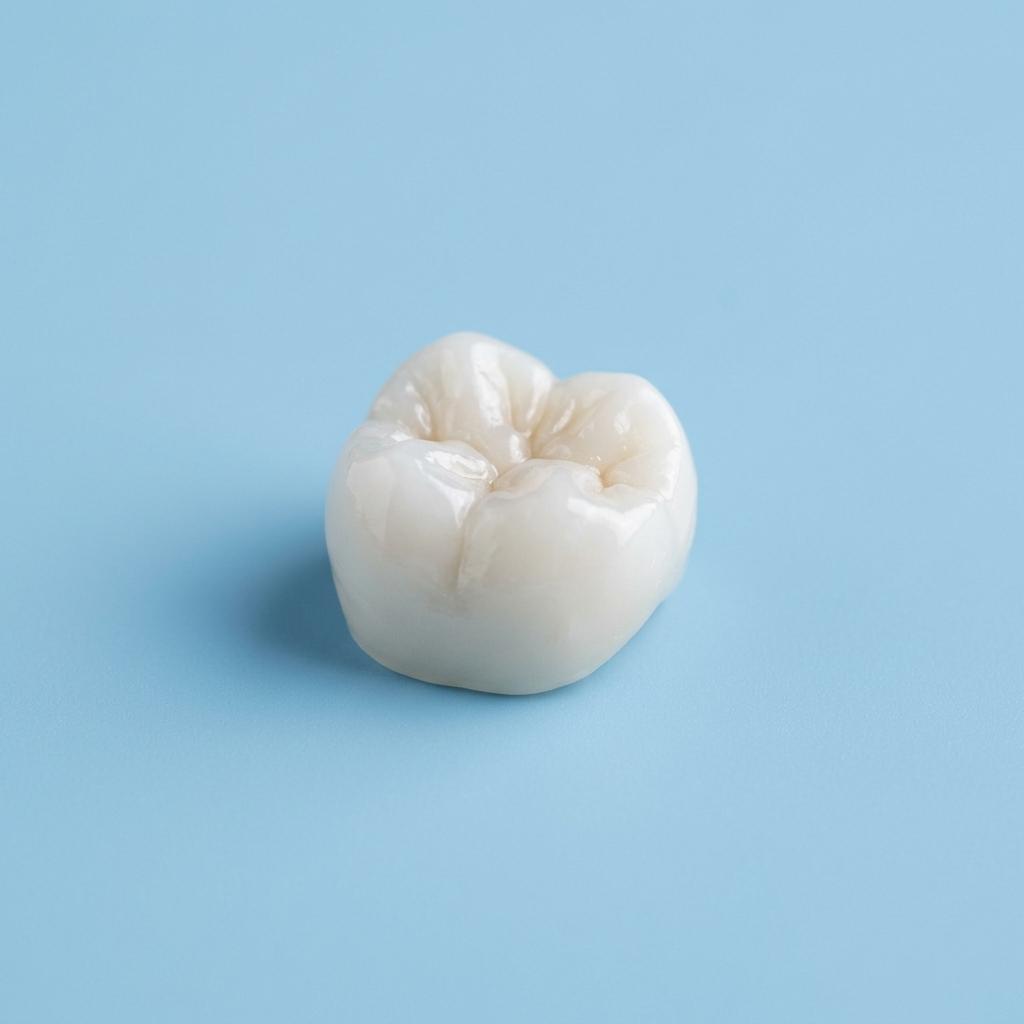
When a tooth cannot be saved due to severe decay, infection, or fracture, a professional extraction is the right decision for your health.
Simple Extractions
Fast and straightforward removal of teeth that are visible and easily accessible, done entirely under local anaesthetic.
Complex Removals
Careful surgical removal of heavily broken down teeth or impacted wisdom teeth, aided by precise imaging for absolute safety.
Placement of
Implants.
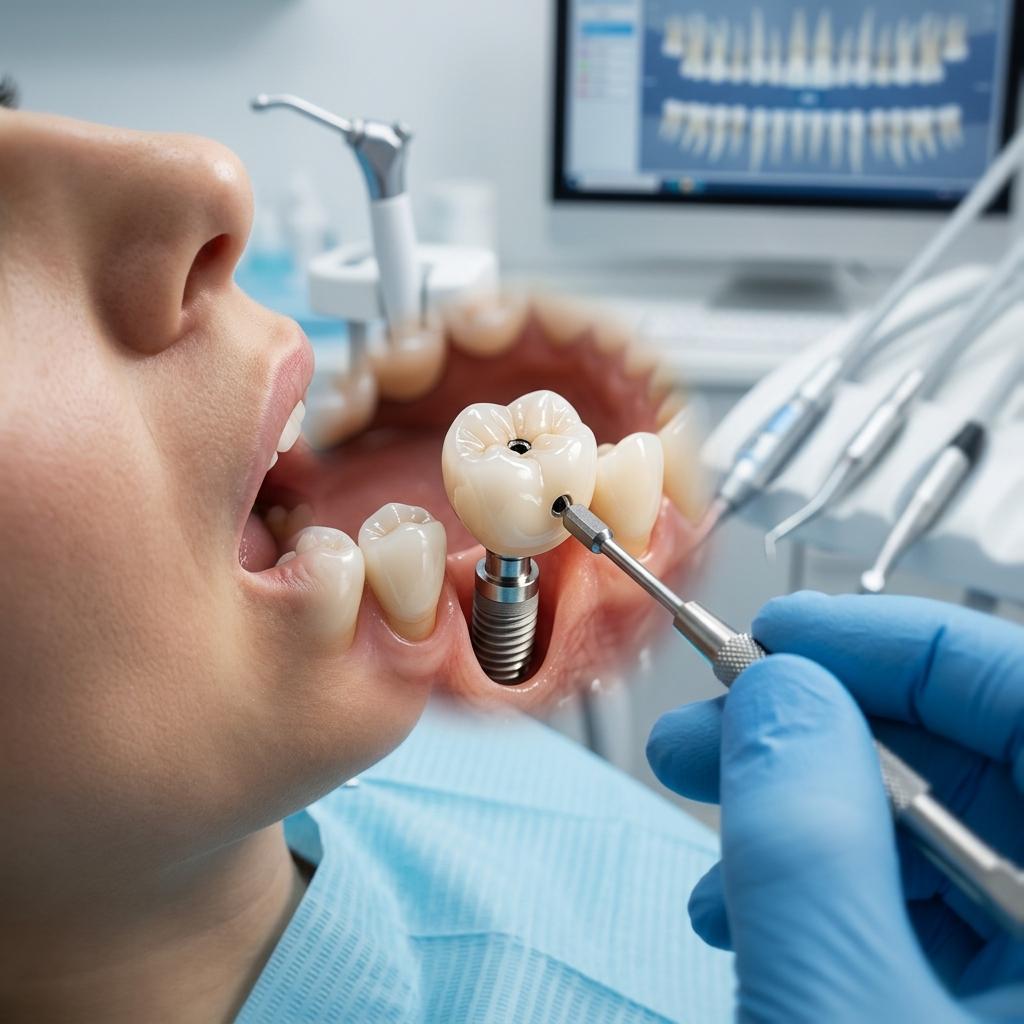
The surgical placement of dental implants into the jawbone. This provides a permanent, stable foundation for crowns or bridges that look and feel like natural teeth.
Surgical Precision
Periodontal
Deep Scaling.
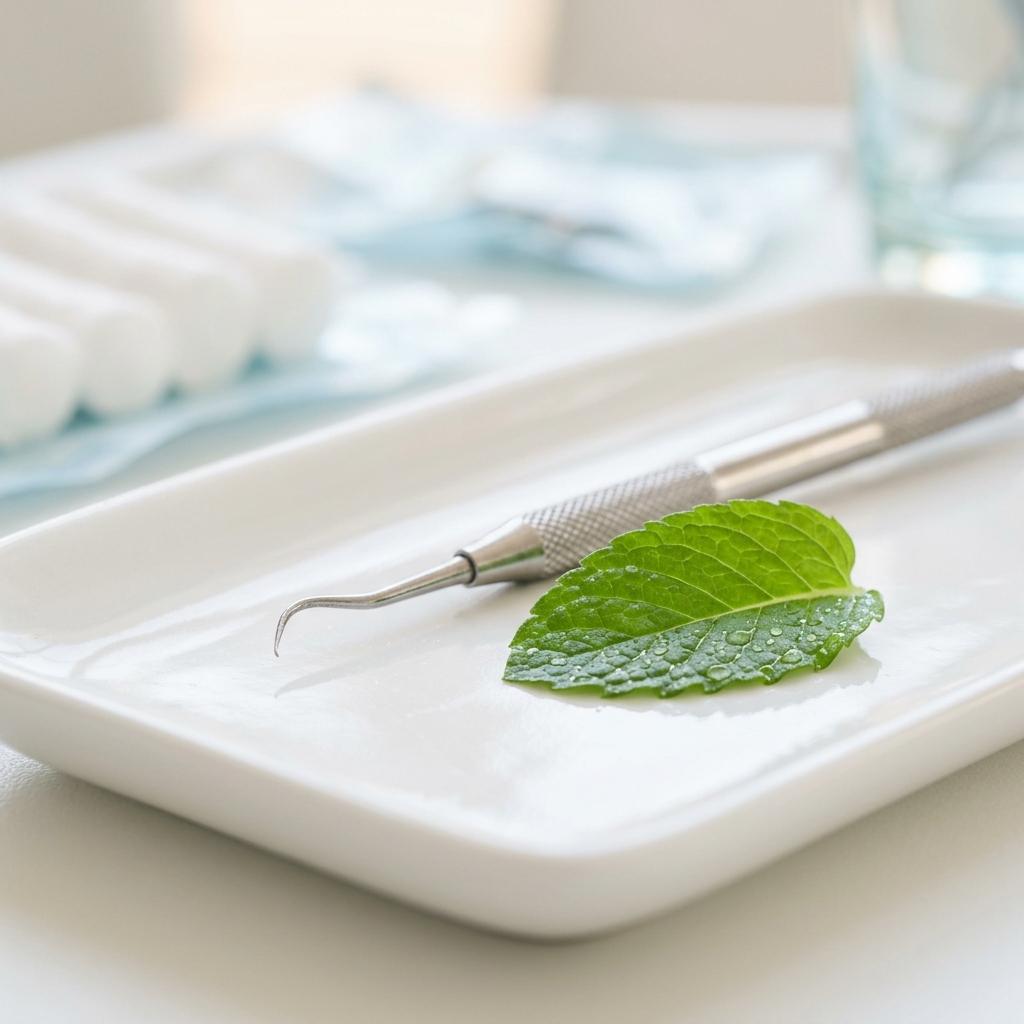
A procedure done under local anaesthetic to thoroughly clean below the gumline. Essential for treating advanced gum disease and preventing tooth loss.
Root Planing
Smoothing the tooth roots to help gums reattach and prevent further bacterial buildup.
Calculus Removal
Carefully clearing hardened plaque from deep periodontal pockets.
Halts Bone Loss
Effectively managing periodontitis prevents the jawbone from eroding away.
Understanding Your Surgical Needs.
A general guide to surgical and periodontal treatments. Dr. Slabber will provide a clear diagnosis after examination.
| Situation | Likely Treatment | Clinical Why |
|---|---|---|
| Severely decayed or infected tooth | Tooth Extraction | Removes the source of infection and pain when the tooth cannot be saved. |
| Missing tooth needing replacement | Dental Implant Placement | Provides a permanent, stable foundation that preserves jawbone health. |
| Gum disease, bleeding gums, bone loss | Periodontal Deep Scaling | Removes plaque and tartar below the gumline to halt disease progression. |
| Impacted wisdom tooth causing pain | Surgical Extraction | Prevents damage to adjacent teeth and relieves discomfort. |
What our patients say.
Real experiences from our Somerset West community, reflecting our commitment to clinical excellence and gentle care.
Surgical Questions.
Not during the procedure itself. The local anaesthetic anaesthetises the area completely before we start. You will feel pressure and some movement, but not sharp pain. If you feel anything beyond that at any point, let Dr. Piet Slabber know immediately and he will pause until you are comfortable. Most patients find it far less uncomfortable than they expected.
Yes, for a simple extraction or implant placement under local anaesthetic you can drive yourself home. The numbness will wear off within a few hours. Just avoid eating on the anaesthetised side until you have full feeling back to avoid accidentally biting your cheek.
Stick to soft foods for the first day or two. Good options include yoghurt, soup, scrambled eggs, mashed potato and soft fruit. Avoid hard, crunchy or chewy foods, very hot foods, and alcohol while you are healing.
Dry socket happens when the blood clot that forms in the extraction socket is dislodged before the socket has healed. It can cause significant pain and slow the healing process. To avoid it, do not rinse forcefully, spit, smoke or use a straw for the first 24 hours after your extraction. If you suspect you have dry socket, call the practice straight away as it can be treated.
We ensure you are completely anaesthetised with local anaesthetic before starting the procedure, so you won't feel pain during the scaling and root planing. You might experience some mild tenderness in your gums for a day or two afterwards, which is normal and typically manageable with over-the-counter pain relief.
It depends on which tooth it is and where it sits in your mouth. Losing a back tooth that does not show when you smile may not be an urgent concern, but missing teeth can over time cause surrounding teeth to shift. Dr. Piet Slabber will discuss your options with you, which may include a dental implant, bridge or partial denture.
Nervous patients can be treated under conscious sedation.
Ready to handle your
surgical needs?
Leaving a problem tooth or gum disease untreated nearly always makes things worse. Book an appointment today for a clear, calm diagnosis.