Restorative Dentistry.
Somerset West.
Repairing, rebuilding, and protecting teeth damaged by decay, wear, or injury. We prioritize function and natural aesthetics while preserving your original tooth structure.

Rebuilding and Protecting Your Natural Teeth.
Healthy teeth are built to last a lifetime, but decay, fractures, wear and damage are a normal part of life for most people. The earlier a problem is addressed, the more straightforward the treatment tends to be and the more of your natural tooth structure can be preserved.
Modern restorative materials have improved significantly. Tooth-coloured composites, porcelain, glass hybrid composites and zirconia all offer results that are both durable and natural-looking. In most cases, a well-done restoration is not visible.
Why Choose Dr. Slabber for Restorative Work.
Faster, more comfortable, and more precise treatment through modern technology.
Single-Visit Restorations
Using CEREC CAD CAM technology, crowns, inlays, and onlays can be designed, milled and fitted in a single appointment. Walk in with a damaged tooth and walk out the same day with a permanent restoration.
Microscopic Precision
We use an in-house dental microscope for high-detail work. It allows us to see fine cracks and decay margins at a level of magnification that ensures conservative preparation and better-fitting restorations.
Safe Amalgam Removal
We follow a safe amalgam removal protocol including rubber dam isolation and high-volume suction. We replace old silver fillings with biologically-safe, tooth-coloured modern materials.
Dental Sealants.
Early Protection.
A thin protective coating applied to the chewing surfaces of back teeth. It bonds into the deep grooves and fissures, sealing them against food particles and bacteria.
What to expect
The procedure is quick, painless, and requires no drilling or anaesthetic. The whole process takes just a few minutes per tooth.
Who benefits most
Children and teenagers with new permanent molars, and adults with deep grooves who have not yet developed decay.
Tooth-Coloured
Fillings.
We use high-quality, metal-free materials to restore teeth damaged by decay. Our fillings blend naturally with your surrounding tooth structure.
Material Selection
What to expect
Treatment is usually completed in a single appointment. Local anaesthetic ensures comfort, and you can eat normally almost immediately after.
Clinical Care
We prioritize conservative removal of decay, preserving as much of your natural tooth structure as possible for long-term health.
Mercury Amalgam
Filling Removal.
Safe, protocol-driven removal of old silver fillings. We replace amalgam with biologically-safe, metal-free materials while prioritizing your safety.
Rubber Dam Isolation
Prevents ingestion or inhalation of particles during removal.
High-Volume Suction
Rapidly removes vapour and aerosol at the clinical source.
Safe amalgam waste storage
Amalgam waste is stored in an amalgam separator and storage waste bucket to prevent leaking into municipal and natural water sources.
Biologically safe materials
Restored with modern bio-active materials.
Crowns &
Bridges.
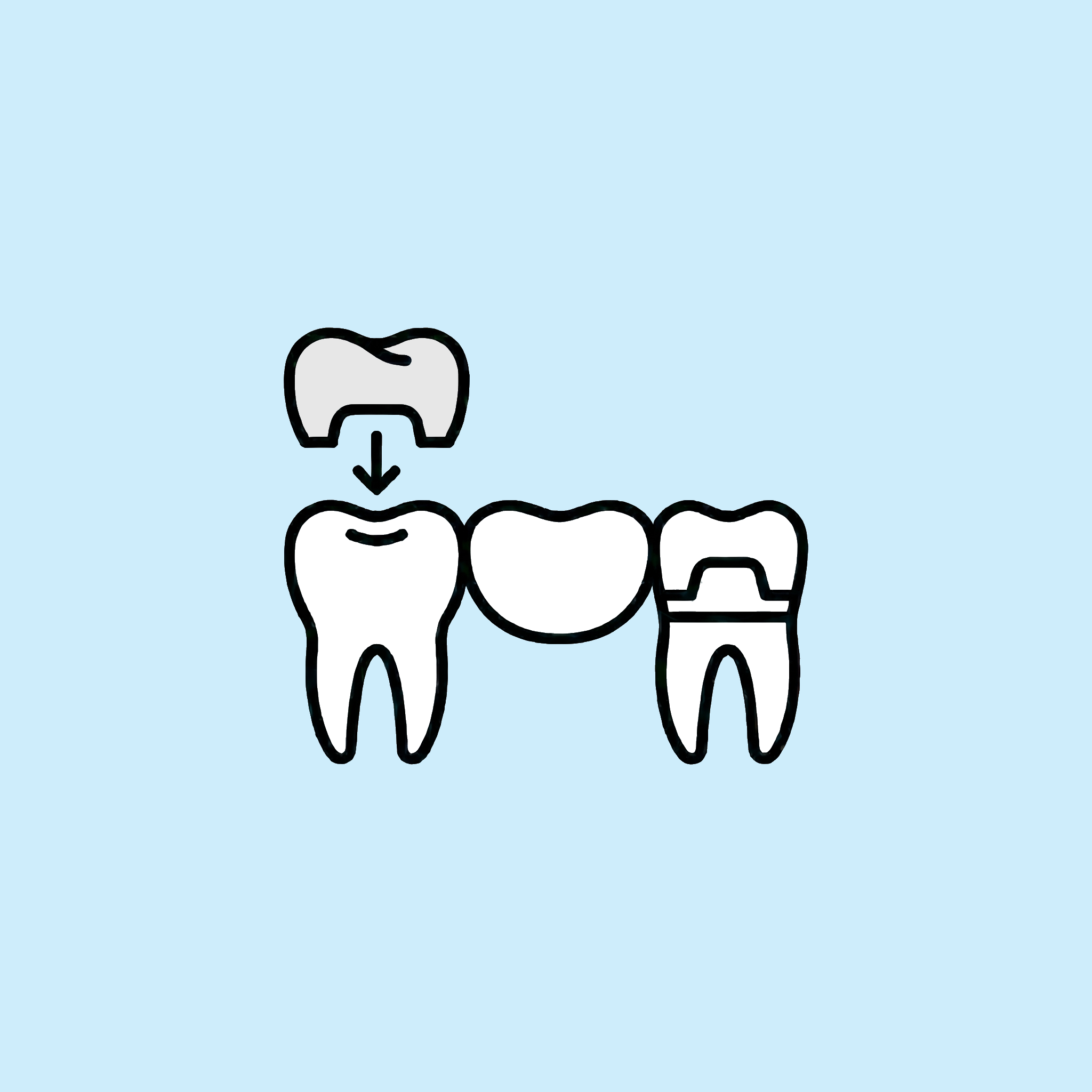
Crowns protect weakened teeth, while bridges replace missing ones by anchoring to healthy adjacent teeth. Both restore function and natural appearance.
Precision Materials
Single-Visit CEREC
Most single-tooth crowns are prepared, scanned, milled, and fitted in 1-2 hours. No messy impressions, no temporary caps, and no second appointments needed.
Inlays &
Onlays.
Restorations that sit between a filling and a crown. Custom-fabricated for superior fit, strength, and preservation of healthy tooth structure.
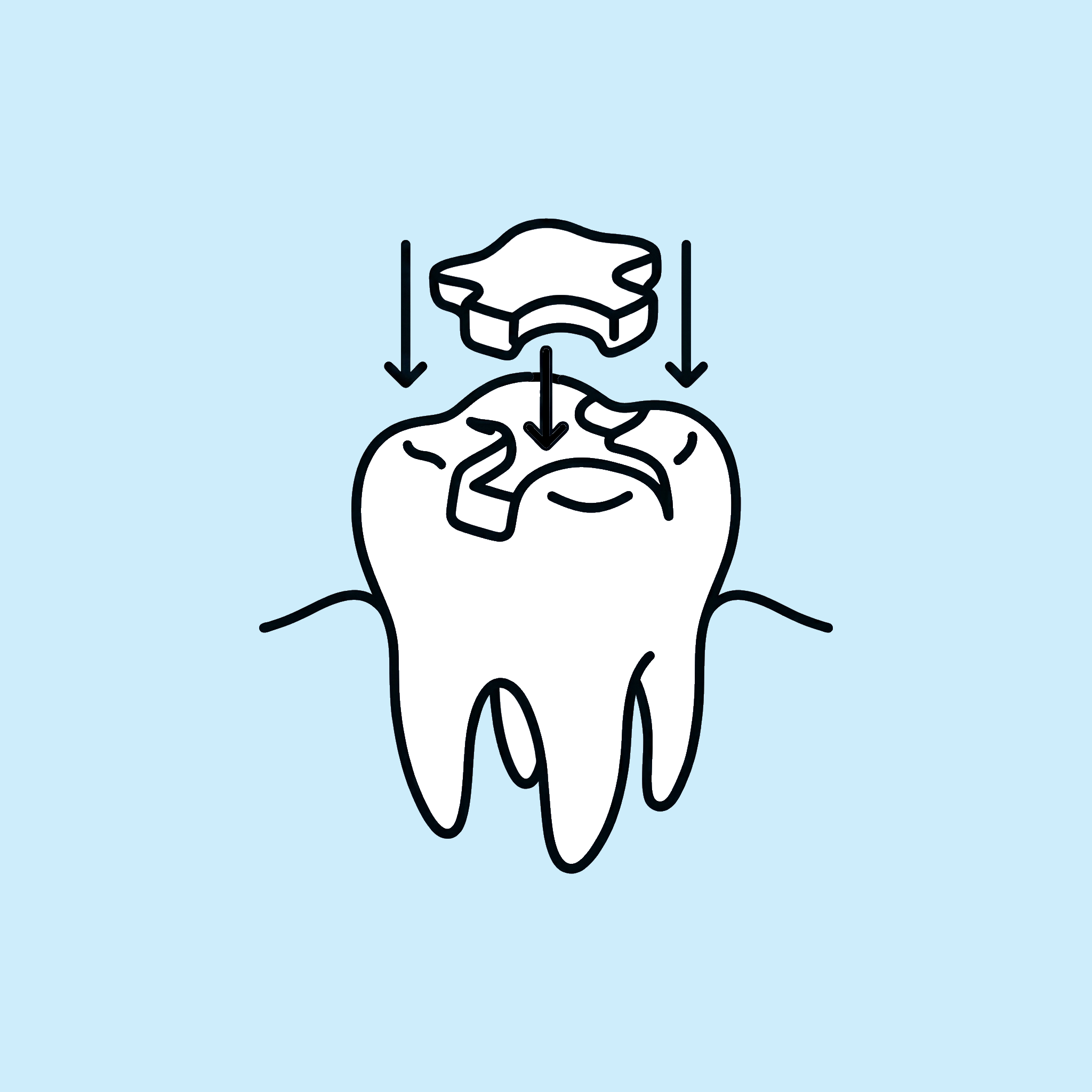
Superior Durability
Outlasts standard direct fillings for larger restorations.
Structural Integrity
Reduces risk of fracture by distributing forces evenly.
Single-Visit Completion
Milled in-house with CEREC for same-day results.
Advanced Materials
We use glass hybrid and porcelain for optimal aesthetics and strength.
Dental
Veneers.
Transform your smile with custom-made veneers. Ideal for correcting discoloration, chips, or misaligned front teeth using glass hybrid and porcelain materials.
Material Selection
Single-Visit CEREC
Most veneers are prepared, scanned, milled, and fitted in 1-2 hours. No messy impressions, no temporary veneers, and no second appointments needed.
Which Treatment Is Right for You?
A general guide to restorative solutions. Dr. Slabber will confirm the right recommendation after examination.
| Situation | Likely Treatment | Clinical Why |
|---|---|---|
| Deep grooves in back teeth, no decay yet | Sealants | Preventative — seals grooves before decay develops |
| Small to medium cavity | Filling | Restores the tooth with minimal removal of healthy structure |
| Large cavity, old filling that has failed | Inlay, onlay or crown | Larger restorations need custom-fabricated options for durability |
| Cracked or fractured tooth | Crown | Protects the remaining structure and prevents further fracture |
| Tooth after root canal treatment | Crown | Root canal treated teeth are more brittle and need protection |
| Missing tooth with healthy teeth on either side | Implant supported crown | Fixed replacement that restores function and appearance |
| Discoloured or mis-aligned front teeth | Veneers | Aesthetic enhancement while preserving natural tooth structure |
| Worn teeth, heavy bite or grinding | Crown in zirconia | Maximum durability for high-stress positions |
How It Works.
A simple, guided journey from your first enquiry to a restored smile.
Reach Out & Book
Contact us via phone, WhatsApp, or online. Our team will find a time and confirm your appointment.
Clinical Assessment
We conduct a thorough oral health assessment, review tooth condition, and build a personalised treatment plan.
Treatment Day
Treatment is carried out in a calm environment. With CEREC, many restorations are finished in one visit.
Aftercare & Follow-Up
We provide tailored instructions and schedule follow-ups. Ongoing support is always available.
Ready to start your journey to a healthier smile?
Broken or Decayed Tooth?
Immediate clinical priority for restorative care.
What our patients say.
Real experiences from our Somerset West community, reflecting our commitment to clinical excellence and gentle care.
Restorative Questions.
Yes, in most cases. Thanks to CEREC CAD CAM technology in-house, the tooth is prepared, digitally scanned, and the crown is milled and fitted in the same appointment. The full visit typically takes between one and two hours. There is no temporary crown to wear, no waiting for a lab to make the restoration, and no second appointment. The same applies to inlays, onlays and veneers. More complex cases or full bridges may still need two appointments.
Yes. All the restorative materials we use at Dr. Slabber's practice are tooth-coloured. Composite resin, porcelain, glass hybrid composite and zirconia are all matched to the colour of your natural teeth. In most cases a well-done restoration is not noticeable in normal conversation.
This depends on the material, the size of the filling, where it is in the mouth and how well it is cared for. Small composite fillings can last ten years or more with good oral hygiene. Porcelain and glass hybrid restorations are similarly durable. Larger fillings and those in high-stress positions tend to have a shorter lifespan and may eventually need to be replaced with a crown.
A well-fitted crown in good quality material, cared for properly, typically lasts fifteen years or more. Zirconia crowns in particular are extremely durable and often outlast other materials significantly. The lifespan of any crown depends on oral hygiene, diet, whether the patient grinds their teeth, and the quality of the fit.
In most cases, yes. Root canal treatment removes the nerve and blood supply from inside the tooth, which makes the remaining tooth structure more brittle over time. A crown protects it from fracture under normal biting forces. Whether a crown is needed immediately or can wait depends on how much tooth structure remains and which tooth is involved. Dr. Slabber will advise on the right timing at your appointment.
A filling is placed directly into the tooth in a single appointment. An inlay is fabricated outside the mouth (or in-house with CEREC) from an impression/scan and bonded in. Inlays fit more precisely, seal the margins better, and are more durable for larger restorations than a direct filling of the same size. They are typically recommended when the cavity is too large for a reliable filling but not extensive enough to require a full crown.
Yes. Old amalgam fillings can be removed and replaced with tooth-coloured restorations. Whether the replacement is a composite filling, a porcelain inlay or a crown depends on the size of the existing filling and the condition of the tooth underneath. Dr. Slabber will assess the tooth and give you a clear recommendation.
This is determined by how much of the tooth has been affected by decay or damage. As a general rule, if less than half of the tooth structure has been lost, a filling is usually appropriate. If more has been lost, a crown provides better long-term protection. Cracks and teeth that have had root canal treatment are also typically crowned regardless of how much structure remains. The only reliable way to know is a clinical examination.
The procedure itself should not be painful. Local anaesthetic is used before any preparation work, and Dr. Slabber makes sure the area is properly anaesthetised before starting. Some sensitivity and mild discomfort after the anaesthetic wears off is normal and settles within a few days for most patients.
The same way you care for natural teeth. Brushing twice a day, flossing daily, and regular check-ups. For bridges, flossing underneath the pontic is important to keep the gum tissue healthy. For patients who grind their teeth, a night guard can protect both natural teeth and restorations from excessive wear.
Durable foundations.
Predictable results.
Whether you have a cavity, an old restoration to replace, or a damaged tooth, we provide straightforward, high-quality restorative care.